As men enter their 40s, subtle physiological changes become more noticeable. One area often affected by the aging process is the prostate. These changes are natural and usually gradual, which is why many men may not immediately recognize them. Understanding how prostate health evolves over time helps build awareness and encourages informed lifestyle choices.
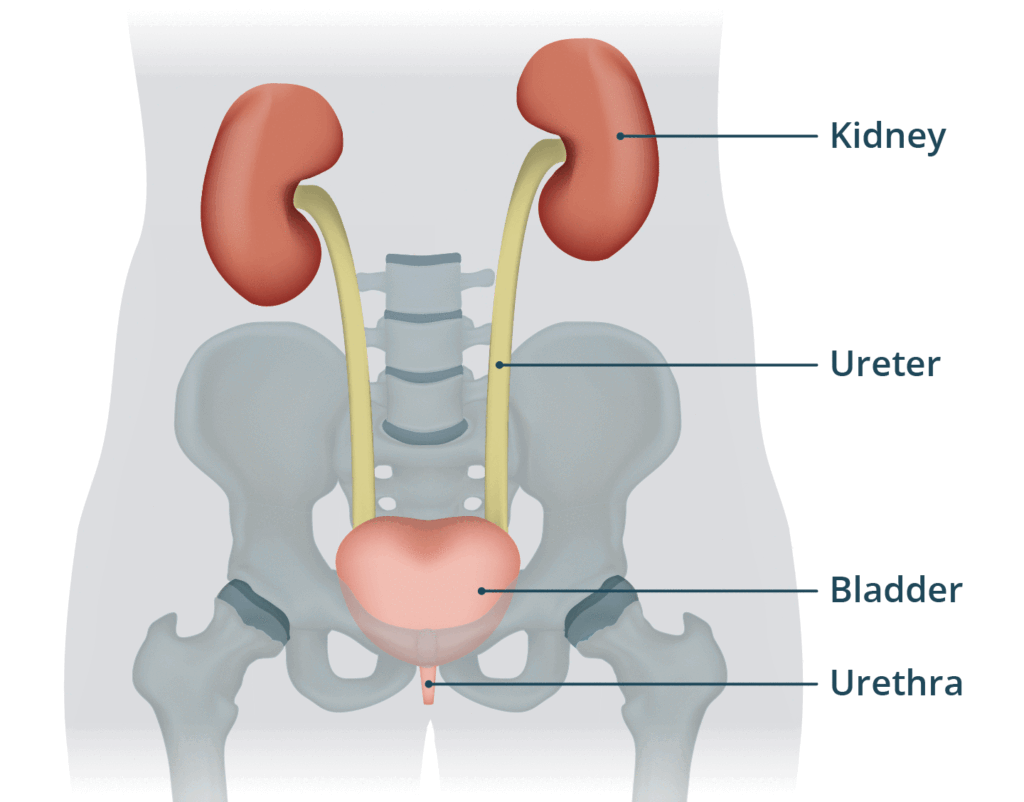
The prostate is a small gland located below the bladder and surrounding the urethra. Its position means that even minor changes can influence urinary patterns and daily comfort. While these changes are common, they are not the same for everyone and often depend on genetics, lifestyle, and overall health habits.
Hormonal Shifts and Aging
One of the primary drivers of prostate changes after 40 is hormonal balance. Testosterone levels gradually decline with age, while other hormones may fluctuate. These shifts can influence prostate tissue behavior over time.
Such changes are typically slow and progressive rather than sudden. Because of this, men often adapt to them without realizing their baseline has shifted.
Common Functional Changes
Some men notice differences in urinary habits, such as increased frequency or a slower stream. Others may experience occasional nighttime urination or a feeling that the bladder does not empty completely.
These experiences are common and not necessarily signs of serious issues. What matters most is whether changes are consistent and gradually becoming more noticeable.
The Role of Lifestyle
Daily habits play an important role in how prostate changes are experienced. Diets high in processed foods and excess sugar may contribute to internal inflammation, while balanced meals support overall system regulation.
Hydration, physical activity, and stress management also influence comfort. Long periods of sitting, chronic stress, or irregular routines may intensify awareness of prostate-related changes.
As men grow older, understanding prostate-related changes becomes more important, and educational resources such as https://porstavive.com discuss lifestyle-based wellness topics.
Why Awareness Matters
Awareness does not mean expecting problems—it means recognizing patterns. Paying attention to gradual changes allows men to stay informed and make adjustments when needed.
Tracking habits and changes over time can provide clarity and support informed conversations with healthcare professionals.
A Long-Term Perspective
Prostate health after 40 is shaped by years of habits rather than short-term actions. Education, consistency, and balance help men navigate natural changes with confidence rather than concern.